Description
The Cheese Course
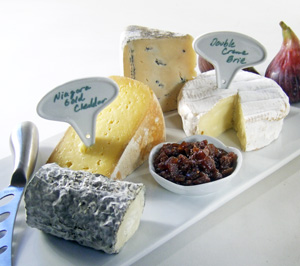
When serving the Cheese Course, fabulous cheeses can be savoured with a last glass of wine or port as you linger at the table with family and friends, enjoying the conversation and the company. Sounds great, doesn’t it? This is why the Cheese Course is so popular, and now not just for the end of the meal anymore. It can be adapted as a light lunch, an appetizer, or a simple cocktail party spread.
Printable Recipe
Ingredients
| 1 jar | Caramelized Onion with Fig |
| 3 – 5 | Assorted cheeses |
Instructions
Our cheese plate consists of cheeses from mild to strong, with a range of textures. However, you can also create your cheese plate by choosing cheeses by season, by milk variety, or by country of origin. Follow these other tips to create a memorable cheese course:
- Serve at least three kinds of cheese; but more than five can be confusing
- Accompaniments to your cheese plate can include spreads and chutneys, along with fresh fruit for cleansing the palate.
- Breads and Crackers should be chosen to accompany the cheese, not overwhelm it. Select breads according to tastes as well as texture. A crisp, salted cracker with a soft cheese provides an interesting contrast in texture, as does dark rye bread with Havarti or Feta, or nut bread with a Blue cheese.
- Serve cheese at room temperature. Be sure to take it out of the refrigerator at least one hour before serving.
- Hard cheeses can share a knife. Supply separate knives for each soft and semisoft cheese.
- Help your guests by writing the names of the cheese on cheese picks; or, on slate cheese boards, right onto the slate with chalk.
- For appetizer or after-dinner cheese plates of three to five selections, plan on one to 1-1/2 oz (30 to 50 g) of each type per person.

Reviews
There are no reviews yet.